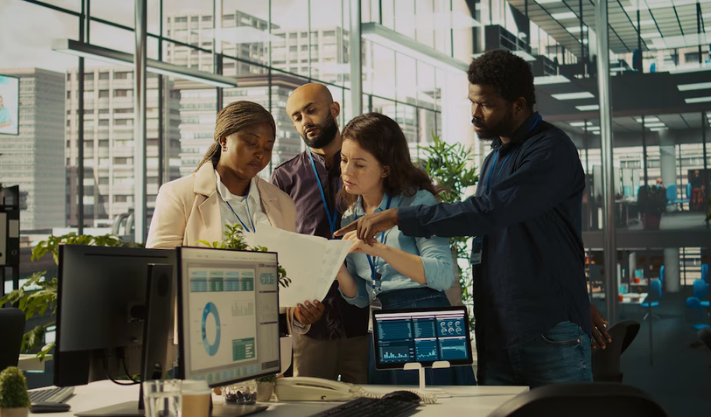









How Global Entrepreneurs Are Driving Innovation Across Industries
Entrepreneurship has always been a powerful engine for economic growth and societal change. In today’s interconnected world, global entrepreneurs are not only creating wealth but also redefining industries through innovation, technology, and forward-thinking strategies. From technology and healthcare to energy and fashion, these visionaries are shaping the future, creating jobs, and addressing complex global challenges.
The Rise of Global Entrepreneurship
Global entrepreneurship has seen a dramatic rise over the past two decades. Advances in technology, digital communication, and international trade have made it easier than ever for entrepreneurs to scale ideas across borders. Platforms like e-commerce, cloud computing, and social media allow businesses to reach international audiences almost instantly. Entrepreneurs are no longer constrained by geography; a startup in Nairobi can serve clients in New York, and a tech company in Bangalore can collaborate with partners in Paris seamlessly.
At the core of this rise is the spirit of innovation. Entrepreneurs worldwide are challenging traditional business models, introducing disruptive products, and creating solutions to problems previously deemed unsolvable. This wave of innovation is influencing multiple industries, transforming how businesses operate, and reshaping consumer expectations.
Technology: Driving Disruption and Growth
The technology sector remains the most visible example of entrepreneurial innovation. Entrepreneurs like Elon Musk, Jack Ma, and Satya Nadella have not only built successful companies but have also redefined entire industries. Electric vehicles, e-commerce, cloud computing, and artificial intelligence are no longer futuristic concepts—they are integral parts of the global economy, largely due to entrepreneurial vision.
Startups in artificial intelligence, machine learning, and data analytics are helping companies make smarter decisions, optimize operations, and enhance customer experiences. For example, AI-driven healthcare startups are enabling faster diagnoses, personalized treatments, and efficient drug discovery, demonstrating the transformative power of technology-led entrepreneurship.
Healthcare and Biotechnology: Innovating for Better Lives
Healthcare is another sector being revolutionized by entrepreneurs. Companies like Moderna and BioNTech have shown that nimble, innovative approaches can lead to breakthroughs in record time. Entrepreneurs in biotech are leveraging genomics, biotechnology, and digital health tools to tackle complex medical challenges. Telemedicine platforms, wearable health devices, and AI-assisted diagnostics are becoming mainstream, improving accessibility and outcomes worldwide.
These innovations are not limited to treatment. Preventive healthcare, wellness, and mental health are gaining attention, with entrepreneurs developing apps, wearable devices, and digital platforms that empower individuals to monitor and improve their own health. This trend reflects a broader shift toward personalized, tech-enabled healthcare driven by entrepreneurial ingenuity.
Energy and Sustainability: Solving Global Challenges
The global focus on sustainability and climate change has created unprecedented opportunities for entrepreneurial innovation. Entrepreneurs in energy and cleantech are developing renewable energy solutions, sustainable materials, and eco-friendly technologies. Companies such as Tesla, Ørsted, and smaller startups in solar and wind technology are disrupting traditional energy markets while promoting sustainability.
Entrepreneurs are also innovating in circular economy models, which reduce waste and encourage recycling and reuse. Sustainable packaging, carbon-neutral logistics, and green construction technologies are becoming essential parts of modern business strategies. By combining purpose with profit, these innovators are showing that addressing global challenges can also be highly lucrative.
Finance and Fintech: Democratizing Access
Finance has been dramatically transformed by entrepreneurial innovation. Fintech startups worldwide are challenging traditional banking models, offering services that are faster, cheaper, and more accessible. Mobile payment platforms, peer-to-peer lending, digital wallets, and blockchain solutions are democratizing access to finance, particularly in underserved regions.
Entrepreneurs like Vlad Tenev (Robinhood) and Kunal Shah (CRED) exemplify how fintech innovation can disrupt established markets while empowering consumers. Beyond financial inclusion, fintech also drives efficiency, transparency, and security in financial systems globally.
Fashion, Retail, and Consumer Goods: Redefining Experiences
Entrepreneurs are also leaving their mark on the fashion and retail industries. From sustainable fashion brands to tech-enabled e-commerce platforms, innovative business models are transforming the way consumers shop and interact with brands. Entrepreneurs are leveraging data analytics, artificial intelligence, and social media to personalize experiences and engage consumers in new ways.
The rise of direct-to-consumer (DTC) brands highlights how entrepreneurship can bypass traditional intermediaries, offering better value and creating stronger brand loyalty. Moreover, sustainable and ethical business practices are increasingly becoming differentiators in consumer choice, proving that social impact can coexist with profitability.
Global Collaboration and Knowledge Sharing
One key aspect of modern entrepreneurial innovation is the ability to collaborate globally. Entrepreneurs today often operate in networks that span continents, sharing knowledge, resources, and technology. International incubators, accelerators, and innovation hubs are fostering collaboration and accelerating growth. For example, Silicon Valley startups collaborate with talent and research from Asia, Europe, and the Middle East, creating a truly global innovation ecosystem.
This global approach also enables entrepreneurs to scale solutions faster, enter new markets more efficiently, and respond to challenges with diverse perspectives. The exchange of ideas across borders is amplifying innovation, leading to solutions that are adaptable, scalable, and impactful worldwide.
Challenges and Opportunities
Despite the remarkable growth, global entrepreneurs face significant challenges. Regulatory hurdles, political instability, economic uncertainty, and market saturation can impede progress. Additionally, innovation often requires substantial investment and carries high risk, which can deter new entrants.
However, these challenges also present opportunities. Entrepreneurs who navigate them successfully gain competitive advantage and are often rewarded with market leadership. Flexibility, resilience, and a focus on long-term vision are critical traits for entrepreneurs operating in today’s volatile environment.
Conclusion: The Power of Entrepreneurial Innovation
Global entrepreneurs are redefining industries by challenging norms, embracing technology, and creating solutions that address real-world problems. From healthcare and energy to technology, finance, and fashion, their innovations are shaping the future of business and society. By combining vision, risk-taking, and adaptability, entrepreneurs worldwide are driving growth, creating jobs, and inspiring the next generation of innovators.
In a rapidly changing world, entrepreneurial innovation is not just a competitive advantage—it is essential. As more entrepreneurs emerge across continents, their collective impact will continue to transform industries, redefine standards, and build a more connected, sustainable, and inclusive global economy.
Also Read:
CEO Spotlight: The Global Leaders Driving Change in 2025
How CEO Leadership Styles Are Changing in the Modern World
7 key corporate trends leaders must master to win in 2026