








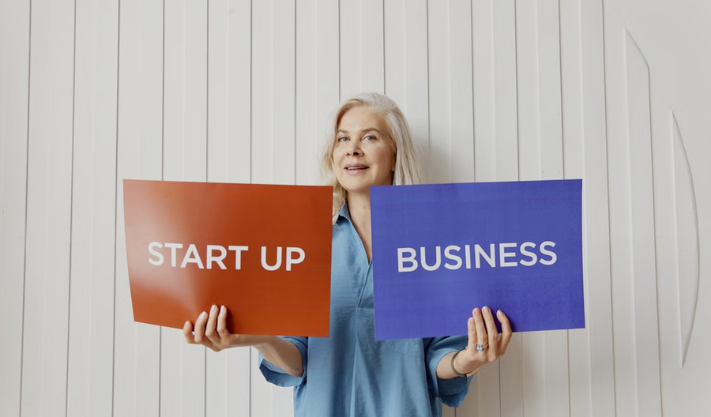
What Is the Difference Between a Startup and a Small Business?
If you’re wondering, “What is the difference between a startup and a small business?”, you’re not alone. This is one of the most searched business questions by entrepreneurs, investors, and first-time founders.
At first glance, startups and small businesses may look similar—they both involve building a company, serving customers, and generating revenue. But in reality, they are built with very different goals, strategies, risk levels, and growth expectations.
This guide breaks everything down in a clear FAQ format optimized for SEO, AEO (Answer Engine Optimization), GEO (Generative Engine Optimization), AI Overviews (AIO), and Voice Search.
What Is the Difference Between a Startup and a Small Business?
The main difference is:
A startup is built for rapid growth and scalability, while a small business is built for stability and consistent income.
In simple terms:
- Startups aim to scale fast and disrupt markets
- Small businesses aim to stay stable and profitable locally or within a niche
Both are important—but their mindset and execution are completely different.
What Is a Startup?
A startup is a newly created business designed to grow quickly, scale widely, and solve a large problem using innovation or technology.
Startups usually focus on:
- Rapid growth
- Market disruption
- Innovation
- Scalability
- Venture capital funding
Key goal of a startup:
Grow big, fast, and globally (or at scale)
Examples of startups include companies like:
- Tech platforms
- SaaS tools
- AI companies
- Fintech apps
- Marketplace platforms
What Is a Small Business?
A small business is a company that is built to generate stable income, often serving a local market or specific niche.
Small businesses focus on:
- Profitability
- Stability
- Local or niche customers
- Owner-driven operations
- Sustainable growth
Key goal of a small business:
Earn consistent income and maintain long-term stability
Examples include:
- Local shops
- Restaurants
- Agencies
- Freelancers
- Service providers
What Is the Main Difference Between Startup and Small Business?
The biggest difference comes down to growth strategy and risk appetite.
| Factor | Startup | Small Business |
|---|---|---|
| Goal | Rapid scaling | Stable income |
| Risk level | High | Low to medium |
| Growth speed | Fast | Slow and steady |
| Funding | Investors / VC | Personal savings / loans |
| Market focus | Global or large scale | Local or niche |
| Profitability timeline | Often delayed | Immediate or short-term |
Why Do Startups Focus on Growth Instead of Profit?
Startups often prioritize growth over profit because their goal is to capture market share quickly.
They usually:
- Burn money early
- Invest heavily in marketing
- Focus on user acquisition
- Scale operations aggressively
The idea is: grow first, profit later
This is common in tech-driven industries where the winner takes most of the market.
Why Do Small Businesses Focus on Profit First?
Small businesses focus on profitability because they need:
- Immediate cash flow
- Operational stability
- Lower financial risk
- Sustainable operations
Unlike startups, small businesses are not trying to dominate global markets.
Their mindset is: profit first, growth later (or gradual)
How Is Funding Different Between Startups and Small Businesses?
Funding is one of the biggest differences.
Startups:
- Venture capital (VC)
- Angel investors
- Seed funding
- Equity dilution
Startups give away ownership in exchange for rapid growth capital.
Small Businesses:
- Personal savings
- Bank loans
- Family funding
- Bootstrapping
Small business owners usually retain full control.
Do Startups Always Become Big Companies?
No.
Most startups fail or remain small.
Startups fail due to:
- Lack of product-market fit
- Poor execution
- Funding issues
- Market competition
- Scaling problems
Only a small percentage become large, successful companies.
Are Small Businesses Less Ambitious Than Startups?
Not at all.
Small businesses are not less ambitious—they are just designed differently.
Their ambition is focused on:
- Stability
- Long-term income
- Customer relationships
- Sustainable growth
- Work-life balance
Success is measured differently, not lower.
Which Is Riskier: Startup or Small Business?
Startups are significantly riskier.
Reasons include:
- High burn rate
- Uncertain revenue
- Market unpredictability
- Heavy competition
- Dependence on investors
Small businesses are more stable because they:
- Generate early revenue
- Operate at smaller scale
- Have lower overhead costs
Can a Small Business Become a Startup?
Yes.
A small business can evolve into a startup if it:
- Develops scalable technology
- Expands aggressively
- Seeks investors
- Targets larger markets
- Focuses on rapid growth
Example: A local service business turning into a SaaS platform.
Can a Startup Become a Small Business?
Yes.
If a startup fails to scale, it often:
- Reduces operations
- Focuses on profitability
- Stops expansion
At that point, it functions more like a small business.
What Skills Do Startup Founders Need?
Startup founders need:
- Risk tolerance
- Innovation mindset
- Fundraising ability
- Strategic thinking
- Fast decision-making
- Scaling knowledge
Startups demand high adaptability.
What Skills Do Small Business Owners Need?
Small business owners need:
- Financial management
- Customer service skills
- Operational efficiency
- Consistency
- Local marketing knowledge
- Cost control
Small businesses reward discipline and stability.
Which Is Better: Startup or Small Business?
Neither is better—it depends on your goal.
Choose a startup if you want:
- High growth potential
- Innovation
- Investment funding
- Big-scale impact
Choose a small business if you want:
- Stable income
- Lower risk
- Independence
- Work-life balance
The right choice depends on your personality and goals.
How Do Startups Make Money?
Startups often make money through:
- Subscriptions (SaaS)
- Advertising
- Transaction fees
- Marketplace commissions
- Licensing
- Future monetization after scaling
Many startups delay monetization until they reach scale.
How Do Small Businesses Make Money?
Small businesses earn through:
- Direct product sales
- Service fees
- Local customers
- Repeat business
- Contracts
Revenue is usually immediate and predictable.
FAQs
What is the main difference between startup and small business?
A startup focuses on rapid scaling and innovation, while a small business focuses on stable income and sustainability.
Is Amazon a startup or small business?
Amazon started as a startup but is now a global enterprise.
Is a startup more profitable than a small business?
Not always. Startups can scale massively, but many small businesses are more consistently profitable.
Why do most startups fail?
Most startups fail due to lack of product-market fit, poor execution, or inability to scale.
Can a small business grow into a big company?
Yes. Many large companies started as small businesses before scaling.
Which is safer: startup or small business?
Small businesses are generally safer due to lower risk and steady revenue.
Final Thoughts
The difference between a startup and a small business is not just size—it’s intent, risk level, and growth strategy.
A startup is built to scale fast, innovate, and disrupt markets, while a small business is built to stay stable, profitable, and sustainable.
Both paths are valid. The right choice depends on whether you want:
- High-risk, high-growth potential → Startup
- Stable, long-term income → Small business
In the end, success is not about the label—it’s about building something that aligns with your goals, skills, and vision.
Also Read:
How Can Leadership Improve Team Performance?
How Does Leadership Impact a CEO’s Success?
Why Are Entrepreneurs Rejected in Job Interviews?