







What Are the Latest Developments in the Energy Business?
The energy business is evolving rapidly as companies, governments and consumers respond to rising electricity demand, climate targets, energy-security concerns and technological advances. The latest developments in the energy industry include the expansion of renewable energy, growth in battery storage, modernization of electricity grids, increasing electrification, artificial intelligence, hydrogen and renewed investment in nuclear power.
At the same time, oil and natural gas remain important parts of the global energy system. However, their role is changing as traditional energy companies diversify into renewable energy, low-carbon technologies and new energy services.
So, what are the latest developments in the energy business?
The biggest trends include renewable-energy growth, battery storage, smart grids, artificial intelligence, electric vehicles, nuclear power, hydrogen, energy efficiency and increased investment in energy infrastructure.
What’s New in the Energy Business?
The energy sector is moving from a traditional fuel-based model toward a broader, more technology-driven energy system.
The most important developments include:
- Expansion of solar and wind energy
- Growth of battery energy storage
- Electricity-grid modernization
- Increasing electric vehicle adoption
- Artificial intelligence and automation
- New nuclear-energy development
- Green hydrogen
- Carbon-management technologies
- Energy-efficiency solutions
- Rising electricity demand
This transition is not happening at the same speed everywhere. Different countries are adopting different combinations of renewable energy, nuclear power, natural gas and other technologies based on their resources, infrastructure, energy policies and economic priorities.
Is Renewable Energy Still Growing?
Yes. Renewable energy remains one of the fastest-growing segments of the global energy market.
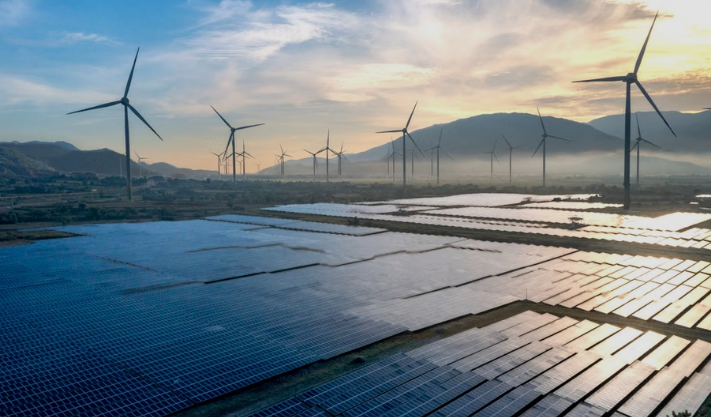
Solar and wind power continue to attract major investment because they can generate electricity with significantly lower direct emissions than fossil-fuel generation.
Solar power is expanding across utility-scale projects, commercial buildings and residential rooftops. Wind energy is also growing, particularly offshore wind, where large turbines can generate substantial amounts of electricity.
The growth of renewable energy is creating opportunities for power producers, manufacturers, engineering companies, construction firms, technology providers and energy-service businesses.
However, adding renewable generation is only part of the challenge. Electricity grids and energy-storage systems must also expand so renewable electricity can be delivered when and where it is needed.
Why Is Battery Storage Becoming More Important?
Battery storage is becoming increasingly important because renewable electricity generation can fluctuate throughout the day.
Solar power, for example, produces most of its electricity during daylight hours, while electricity demand can remain high after sunset. Batteries can store electricity when supply is abundant and release it when demand increases.
Energy storage can support:
- Renewable-energy integration
- Peak electricity demand
- Grid stability
- Backup power
- Electricity-price management
- Electric vehicle charging
- Distributed energy systems
As renewable generation increases, large-scale battery projects are becoming more important. Longer-duration technologies, including pumped-storage hydropower and other emerging storage systems, can provide additional flexibility.
How Is Artificial Intelligence Changing the Energy Industry?
Artificial intelligence is becoming an important tool for improving energy generation, forecasting and grid management.
Energy companies can use AI to analyze large amounts of data and make faster, more informed decisions.
Major applications include:
- Electricity-demand forecasting
- Renewable-energy forecasting
- Predictive maintenance
- Energy trading
- Grid optimization
- Equipment monitoring
- Energy-consumption analysis
For example, AI can analyze weather patterns to estimate how much electricity a solar or wind project is likely to produce.
AI can also identify unusual equipment behavior and help operators detect potential failures before they become costly problems.
As smart meters, sensors and connected devices become more common, the energy industry will generate increasingly large amounts of data.
This means the future energy business will combine traditional infrastructure with AI, software, automation and data analytics.
Are Electricity Grids Being Modernized?
Yes. Electricity-grid modernization is one of the most important developments in the energy industry.
Older electricity systems were largely designed around centralized power generation. Today’s energy system is becoming more complex because electricity can come from utility-scale solar farms, wind projects, rooftop solar, batteries and other distributed energy resources.
At the same time, electricity demand is increasing because of electric vehicles, heat pumps, data centers and industrial electrification.
Modern electricity grids therefore need:
- Greater transmission capacity
- Advanced distribution networks
- Smart meters
- Automated controls
- Digital monitoring
- Energy storage
- Demand-response systems
- Better renewable-energy integration
Investment in electricity-grid infrastructure is becoming almost as important as investment in new power-generation capacity.
How Are Electric Vehicles Affecting the Energy Industry?
Electric vehicles are creating a stronger connection between transportation and the electricity sector.
As more consumers switch from petrol and diesel vehicles to EVs, electricity demand for transportation increases.
This creates opportunities for:
- Charging-network operators
- Electricity suppliers
- Battery manufacturers
- Energy-management companies
- Smart-charging providers
Smart charging can help manage electricity demand by encouraging EV owners to charge their vehicles when electricity demand is lower or renewable-energy generation is high.
In the future, vehicle-to-grid technology could allow some electric vehicles to send electricity back to the grid. This could turn EV batteries into another source of flexible energy storage.
What Is Happening With Nuclear Power?
Nuclear power is receiving renewed attention as countries look for reliable sources of low-carbon electricity.
Nuclear plants can generate electricity continuously and provide dependable power alongside variable renewable sources such as solar and wind.
Many countries are investing in new nuclear projects, extending the operating lives of existing reactors and researching advanced nuclear technologies.
Small modular reactors are also attracting interest because they could potentially provide more flexible options for nuclear power generation.
However, nuclear energy continues to face challenges involving construction costs, financing, regulation, radioactive-waste management and long project timelines.
How governments and energy companies address these challenges will influence the future role of nuclear power.
Is Hydrogen Becoming More Important in the Energy Business?
Yes. Hydrogen could become particularly important for industries that are difficult to electrify directly.
Potential applications include:
- Steel manufacturing
- Chemicals
- Heavy industry
- Shipping
- Heavy transportation
- Certain industrial processes
Green hydrogen is produced using renewable electricity, while other low-carbon hydrogen pathways use different production methods combined with emissions-management technologies.
Hydrogen still faces challenges involving production costs, transportation, storage and infrastructure.
As a result, its strongest opportunities are likely to be in sectors where direct electrification is technically difficult or economically expensive.
What Is Happening With Oil and Gas?
Oil and natural gas remain important, but the energy business is becoming increasingly diversified.
Oil continues to play a major role in transportation, petrochemicals, plastics and industrial applications. Natural gas remains important for electricity generation, heating and industrial use in many markets.
However, renewable-energy growth, electrification, energy-efficiency improvements and climate policies are changing energy-demand patterns in some sectors.
Many traditional energy companies are therefore investing in areas such as:
- Renewable energy
- Carbon capture and storage
- Hydrogen
- Biofuels
- Battery storage
- EV charging
- Low-carbon technologies
This does not mean oil and gas will disappear quickly. Instead, the energy industry is becoming more diversified, with traditional and emerging technologies operating alongside each other.
Why Is Energy Efficiency Becoming More Important?
Energy efficiency helps businesses and households use less energy while maintaining the same level of service or productivity.
Energy-efficient buildings, appliances, industrial equipment, lighting and heating systems can reduce overall energy consumption.
Energy efficiency is particularly important as electricity demand rises.
Using energy more efficiently can:
- Reduce pressure on electricity grids
- Lower operating costs
- Reduce energy consumption
- Limit the need for additional generation capacity
- Support emissions reduction
Demand-response technology is another growing area. It allows consumers and businesses to adjust when they use electricity based on grid conditions or energy prices.
What Are the Biggest Challenges Facing the Energy Industry?
The energy transition creates significant opportunities, but it also presents major challenges.
The most important challenges include:
- Rising electricity demand
- Electricity-grid modernization
- Renewable-energy integration
- Growing energy-storage requirements
- Energy affordability
- Infrastructure investment
- Supply-chain security
- Critical-mineral availability
- Energy security
- Workforce development
- Extreme weather and climate risks
The energy industry must expand cleaner energy while continuing to provide reliable and affordable electricity.
That requires investment not only in power generation but also in transmission, distribution, energy storage, digital technologies and skilled workers.
What Are the Biggest Business Opportunities in the Energy Industry?
The energy transition is creating new business opportunities across the entire energy value chain.
Important growth areas include renewable-energy development, battery manufacturing, electricity-grid infrastructure, EV charging, energy-management software, hydrogen, carbon management and energy-efficiency services.
Companies that combine energy expertise with technology, data and infrastructure may be particularly well positioned for future growth.
The energy business is therefore moving beyond the simple production and sale of fuels. Increasingly, it is also about managing electricity, optimizing energy consumption, providing digital services and developing low-carbon solutions.
FAQs
What are the latest developments in the energy business?
The biggest developments include renewable-energy expansion, battery storage, smart grids, artificial intelligence, electric vehicles, nuclear power, hydrogen and energy-efficiency technologies.
Is renewable energy still growing?
Yes. Solar and wind power are expanding rapidly and are becoming increasingly important sources of electricity in many markets.
Why is energy storage important?
Energy storage can store electricity when supply is high and release it when demand increases, making it easier to integrate variable renewable energy.
How is AI transforming the energy sector?
AI can improve electricity-demand forecasting, renewable-energy forecasting, equipment maintenance, energy trading and electricity-grid management.
Will electricity demand increase in the future?
Yes. Electric vehicles, data centers, heat pumps, industrial electrification and digital technologies are expected to increase electricity demand.
Does oil and gas still have a future?
Yes. Oil and gas remain important for transportation, industry, petrochemicals and other applications, although their role is changing as cleaner technologies expand.
Is nuclear power becoming more important?
Nuclear power is receiving renewed attention in some countries because it can provide reliable low-carbon electricity.
Will hydrogen become a major energy source?
Hydrogen could become especially important in hard-to-electrify sectors such as steel, chemicals, shipping and heavy transportation.
Conclusion
The energy industry is undergoing a major transformation driven by technology, changing energy demand, climate goals and energy-security concerns.
Renewable energy, battery storage, electrification, smart grids and artificial intelligence are becoming central to the future energy system. Electric vehicles are connecting transportation more closely with electricity, while hydrogen and carbon-management technologies could help reduce emissions from difficult-to-decarbonize industries.
Nuclear power is also receiving renewed attention as countries seek reliable low-carbon electricity. Meanwhile, oil and natural gas remain significant but are increasingly being complemented by investments in renewable energy and other low-carbon technologies.
The future energy business will not be based on a single technology. Instead, it will be shaped by a combination of renewable energy, nuclear power, energy storage, digital technologies, electrification, energy efficiency and evolving oil and gas markets.
The companies best positioned for the future are likely to be those that can adapt to changing energy demand, invest in emerging technologies and provide energy that is reliable, affordable and increasingly lower-carbon.
Also Read:-
How Do Entrepreneurs Build, Scale and Sustain Successful Businesses?
How Does an Entrepreneur Start and Grow a Business?
Why Is Leadership Important for Business Success?